Mozzarella Cheese and Lactose: Understanding the Connection
Mozzarella cheese is a favorite for many, but it can be a problem for those with lactose intolerance. This issue affects over 65% of people worldwide1. Knowing how mozzarella cheese and lactose relate is key for those who love cheese but need to watch their lactose intake. The cheese-making process cuts down a lot of lactose, making mozzarella relatively low in lactose1.
The amount of lactose in mozzarella cheese can vary. Some types have less than 1 gram of lactose per 1.5-ounce serving1. For those with lactose intolerance, mozzarella is a better choice than milk, yogurt, or ice cream1. To grasp the lactose in mozzarella, it’s important to look into how it’s made and what affects its lactose levels.
Key Takeaways
- Mozzarella cheese has a relatively low lactose content compared to other dairy products1.
- The cheesemaking process removes a significant amount of lactose from the milk1.
- Over 65% of the global population has some level of lactase non-persistence or lactose intolerance1.
- Mozzarella cheese is a good option for those with lactose intolerance due to its low lactose content1.
- Understanding the connection between mozzarella cheese and lactose is essential for managing lactose intake1.
Understanding Lactose in Dairy Products
Lactose is a natural sugar found in dairy products. It can be hard for some people to digest. The body needs lactase, an enzyme, to break down lactose into sugars that are easy to absorb.
Different dairy products have varying levels of lactose. This is due to how lactose is processed in each type. Milk, ice cream, and cheese are common sources of lactose. Knowing about lactose in dairy helps us make better food choices.
Some dairy items, like hard cheeses and certain yogurts, have less lactose. This makes them easier for those with lactose intolerance to eat2. Aged cheeses, such as cheddar and parmesan, are also low in lactose. Some brands even offer lactose-free versions3.
For people with lactose intolerance, eating lactose can cause problems. Symptoms include bloating, stomach cramps, and an upset stomach2.
It’s important for those with lactose intolerance to understand how lactose is processed in dairy. There are lactose-free versions of milk, cream, and cheese available. These products have lactase added to break down lactose4.
The lactose in yogurt can also vary. This depends on the brand and the ingredients used4. By trying different foods and amounts, people can find low-lactose options that suit them. For example, low-lactose dairy products can be a good choice.
For more info on lactose-free cheese, check out lactose-free cheese. It lists available options3.
The Art of Mozzarella Making
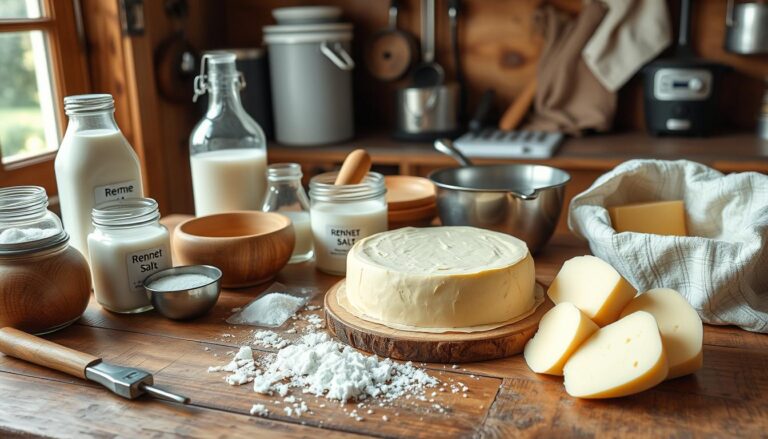
Making mozzarella is a precise and patient process. The type of milk used greatly affects the cheese’s taste, texture, and quality5. Traditionally, mozzarella comes from water buffalo or cow’s milk, each giving it unique flavors and textures5.
The cheese-making process needs careful temperature control. Heating and cooling at different stages are key to getting the right consistency and taste5. Adding citric acid lowers the milk’s pH, making it ready for coagulation with rennet5. Rennet is essential for turning milk into curds and whey, showing its critical role in cheese-making5.
Curd cutting affects the cheese’s moisture level5. Stretching the curd gives mozzarella its smooth, shiny look5. The whole mozzarella-making process involves heating 5 liters of water to a boil, half the milk volume6. Making mozzarella typically uses 10 liters of milk to produce about 1 kg of cheese in brine, with a yield ratio of 10:16.
| Milk Type | Yield Ratio |
|---|---|
| Cow’s Milk | 10:1 |
| Buffalo Milk | 5:1 |
Mozzarella making is an art that needs attention to detail and a deep understanding of cheese production. By mastering mozzarella making, cheese makers can create top-quality products that meet consumer demands6. The art of mozzarella making is a mix of tradition and innovation, focusing on quality and consistency5.
Does Mozzarella Have Lactose? The Scientific Answer
Mozzarella cheese is a favorite among those with lactose intolerance. But does it have lactose? The answer depends on how it’s made. Fresh mozzarella has more lactose than aged mozzarella, which has less because it’s fermented7.
An 8 oz. glass of regular milk has about 12 grams of lactose. Low-lactose cheeses like mozzarella have less than 1 gram per 1.5 oz. serving8.
Comparing mozzarella to other cheeses shows it has less lactose than milk or ice cream. But it has more than aged cheeses like Parmesan or cheddar8. Mozzarella’s lactose content can be between 0.1% and 3%, depending on its type and making process7. Aged cheeses like Parmesan and Swiss have very little lactose, around 0.1%, because they’re fermented a lot7.
Lactose Content in Fresh Mozzarella
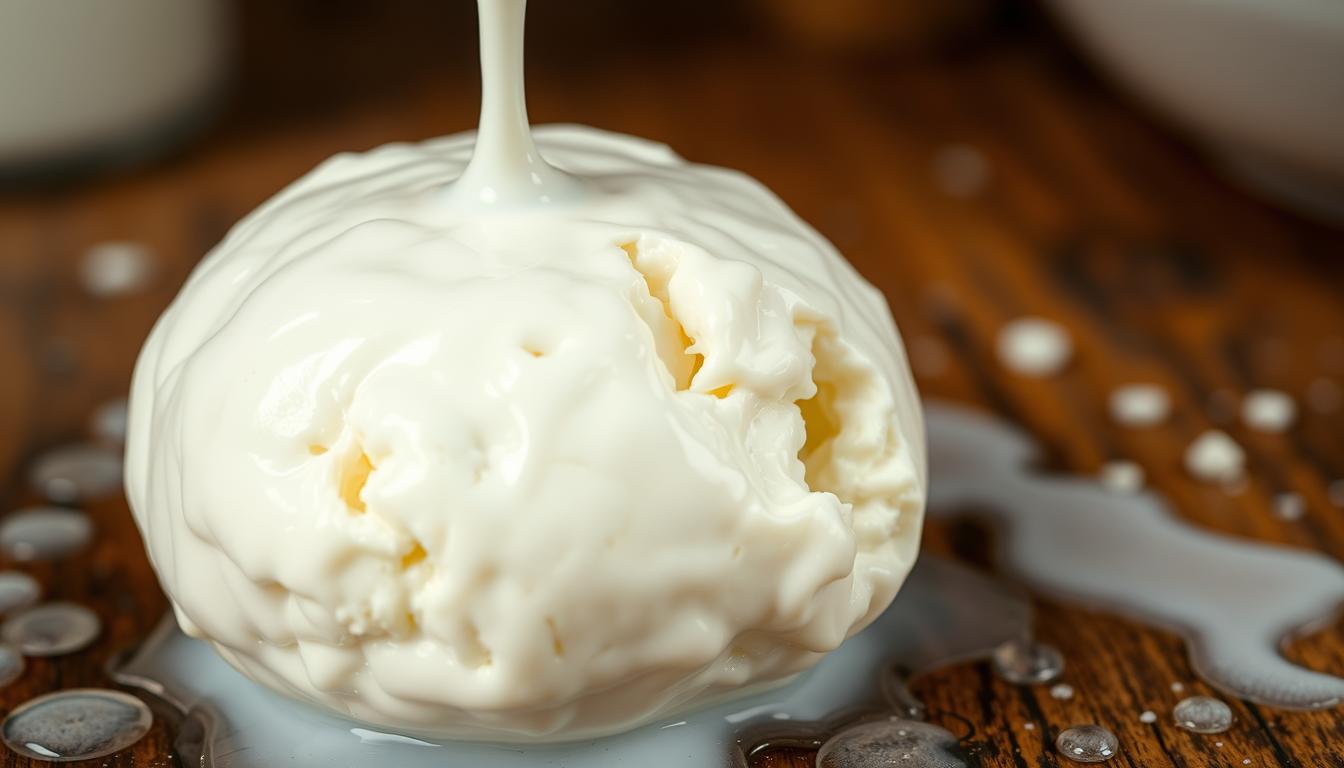
Fresh mozzarella keeps more lactose because it’s not fermented much. Aged mozzarella, on the other hand, has less lactose because it’s fermented7. The fermentation process in cheese making can cut lactose by about 90% as bacteria eat most of it7.
Comparing Mozzarella to Other Cheeses
About 65% of adults worldwide have some lactose intolerance, which changes based on where you’re from7. Mozzarella and Swiss cheese both have 0.0% lactose9. Cheddar cheese has 0.09% lactose, and Parmesan cheese has 0.05%9.
Different Types of Mozzarella and Their Lactose Content
Mozzarella cheese comes in many types, each with its own unique features and lactose levels10. Knowing the lactose levels in these varieties helps those with lactose intolerance make better choices. For example, buffalo mozzarella, made from water buffalo milk, might have different lactose levels than cow’s milk mozzarella11.
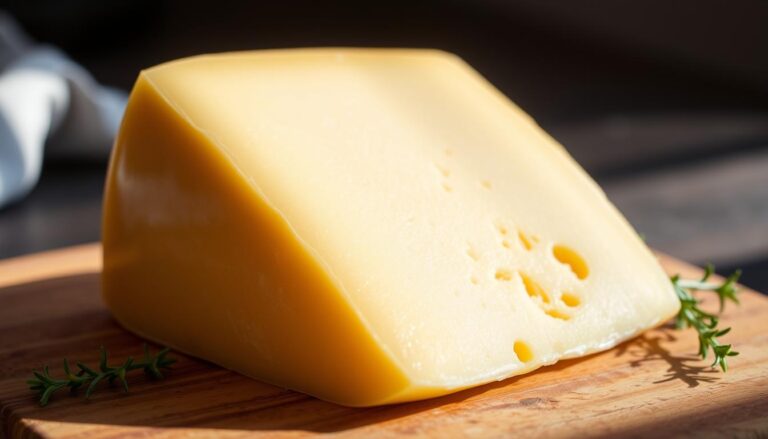
Fresh mozzarella has about 2-3% lactose, which is 2-3 grams per 100 grams of cheese11. On the other hand, aged mozzarella has very little to no lactose12. The way mozzarella is made also affects its lactose content. The ‘pasta filata’ method, for instance, can reduce lactose levels11.
People with lactose intolerance can usually handle up to 12 g of lactose without issues10. When picking mozzarella, it’s key to look at the lactose content. Aged mozzarella is a better choice because it has little to no lactose12. For more info on mozzarella and lactose, check out cheesevibes.com to learn about different mozzarella types.
The following table summarizes the lactose content in different types of mozzarella:
| Type of Mozzarella | Lactose Content |
|---|---|
| Fresh Mozzarella | 2-3%11 |
| Aged Mozzarella | Little to no lactose12 |
| Buffalo Mozzarella | Lower lactose content compared to cow’s milk mozzarella11 |
How Cheese Processing Affects Lactose Levels
The way cheese is processed greatly changes its lactose levels. During the aging process, lactose turns into lactic acid. This makes aged cheeses like Parmesan and cheddar safer for those who can’t digest lactose well. Younger cheeses, like mozzarella and brie, have more lactose13.
How cheese is made and stored also affects lactose levels. The bacteria used in making cheese can change how much lactose is turned into lactic acid. Also, if cheese is not stored right, lactose levels can go up. So, it’s key to store cheese properly to keep its lactose levels low.
Knowing what affects lactose in cheese is key for making low-lactose cheese. Cheese makers can control the aging process and manufacturing methods to make safer cheese. For more on lactose intolerance and cheese, check out lactose intolerance resources14. With the right knowledge, people with lactose intolerance can enjoy many cheeses.
Mozzarella Options for Lactose-Intolerant Individuals
For those with lactose intolerance, there are several Lactose-Intolerant Options available, including Mozzarella for Lactose Intolerance. Research shows that some cheeses have less lactose, making them better for those who can’t digest lactose15. For example, feta cheese, made from sheep’s milk, has much less lactose than many other cheeses15.
Goat cheese is also a good choice, as it has about 5-12% less lactose than cow’s milk15. Cottage cheese and ricotta cheese are also options, with less lactose than regular milk and cheddar or mozzarella15.
Some mozzarella cheeses have less than 0.1g of lactose per 100g, making them almost lactose-free16. When looking for Mozzarella for Lactose Intolerance, choose products with low lactose or try other cheeses. For more info, visit lactose-free cheese resources.
Some people with lactose intolerance can eat certain dairy products like cheese and milk without problems. But others might get symptoms16. It’s important to remember that everyone’s body is different, and what works for one person might not work for another.
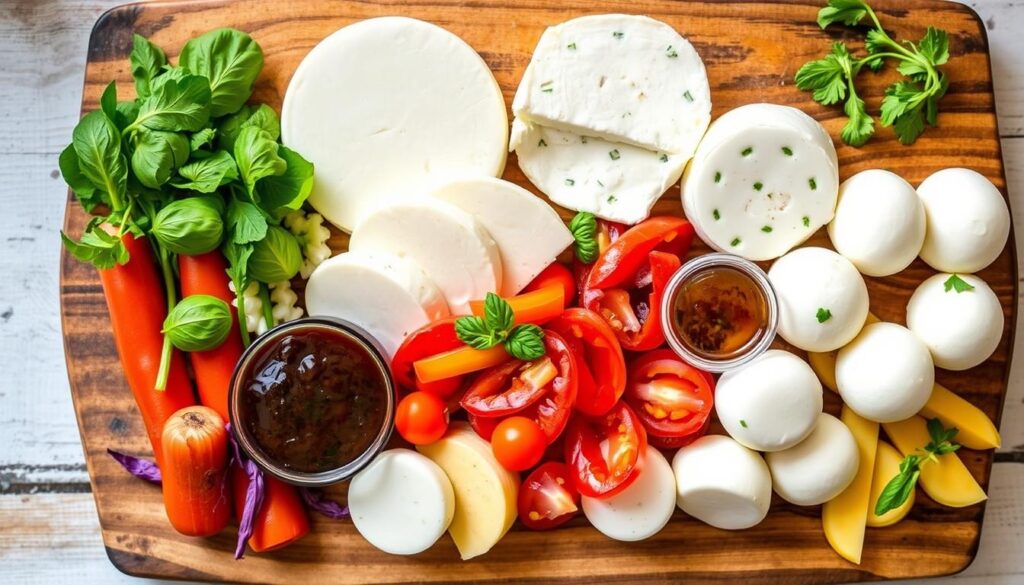
When it comes to Lactose-Intolerant Options and Mozzarella for Lactose Intolerance, there are many things to think about. By knowing the different cheeses and their lactose levels, people with lactose intolerance can make better choices. For more on reduced-sodium cheeses and their lactose content, check out cheese resources.
Reading Cheese Labels: Understanding Lactose Information
Understanding cheese labels is key, as they show lactose content. This is important for those with lactose intolerance. Some cheeses have very little lactose, like 0.05 grams per 100 grams17.
Knowing label terms like lactose-free or low-lactose is vital. The FDA sets rules for these claims. For example, whole milk has about 4.9 grams of lactose per 100 grams18. Some lactose-free milks have just 0.1 grams per 100 grams18.
Some cheeses, like Mozzarella, have 2.5 grams of lactose per 100 grams18. Others, like Parmesan, have very little, about 0.05 to 3.1 grams per 100 grams18. Natural, aged cheese usually has less than 0.5g of sugar, meaning very little lactose19. Hard, aged cheeses generally have the least lactose17.
When you read cheese labels, look for lactose info and understand the terms. This helps those with lactose intolerance enjoy their favorite cheeses. Lactose-free products are made to be digestible for those with intolerance17. Up to 40% of lactose can be removed before adding lactase to break down the rest17.
Health Benefits of Mozzarella Beyond Lactose Concerns
Mozzarella cheese is good for you because of its nutrients. It has a lot of calcium, about 505 mg per 100 grams, which is great for bones20. It also has 28% of the daily protein needed for fixing and growing tissues20.
Mozzarella is packed with nutrients like protein, fat, minerals, and vitamins21. It has conjugated linoleic acid (CLA), which is good for the heart, with 0.5 to 2.0 grams per serving20. Plus, it has antioxidants like selenium, which fights oxidative stress, with about 14 µg per 100 grams20.
Here are some key benefits of mozzarella cheese:
- Rich in calcium, essential for bone health20
- Good source of protein, necessary for tissue repair and growth20
- Contains conjugated linoleic acid (CLA), linked with heart health benefits20
- Low in lactose, making it more tolerable for lactose-intolerant individuals22
Mozzarella cheese is a nutritious and versatile food. It can be part of a healthy diet, giving many health benefits and a rich nutritional profile, with lots of calcium20.
For more information on the benefits of mozzarella cheese, visit cheesevibes.com. There, you can learn about different types of cheese and their nutritional profiles.
| Nutrient | Amount per 100g |
|---|---|
| Calcium | 505mg20 |
| Protein | 28% of daily intake20 |
| Conjugated Linoleic Acid (CLA) | 0.5-2.0g20 |
Substitutes for Traditional Mozzarella
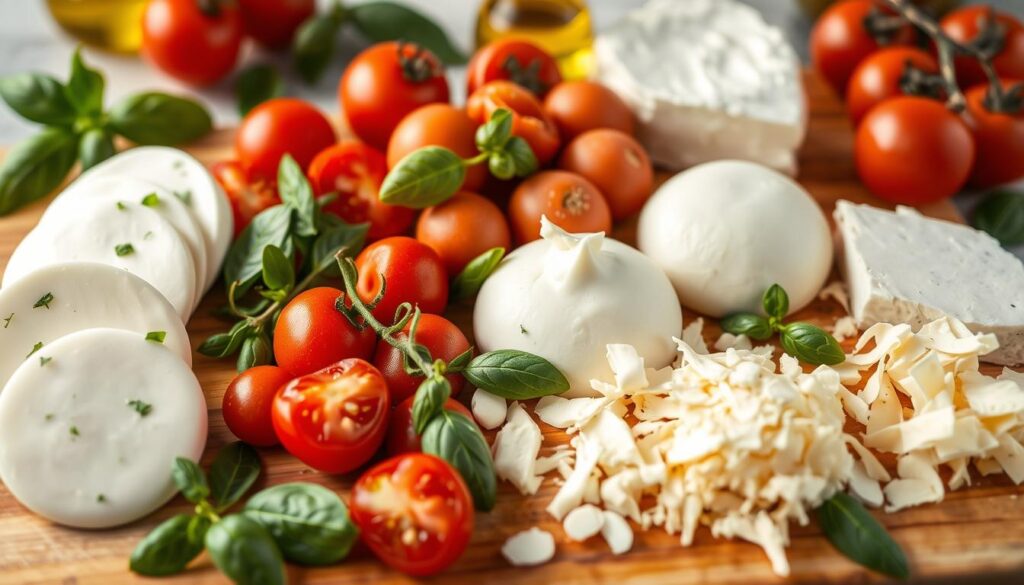
If you’re looking for something other than traditional mozzarella, you have many choices. Options like Mozzarella Substitutes and Non-Dairy Mozzarella23 offer similar tastes and textures. Gruyère, Cheddar, and Swiss cheeses are great alternatives24.
A taste test included nine brands of dairy-free mozzarella cheese. The top-rated one scored an 8.3/1023. Out of seven tasters, five chose the best brand23. Brands like Miyoko’s Liquid, Moocho, and Open Nature are popular choices23.
Choosing the right substitute depends on the dish. Gruyère works well for melted dishes, while Cheddar adds a stronger flavor24. Non-Dairy Mozzarella is versatile, perfect for pizzas and lasagnas.
| Cheese Type | Taste | Texture |
|---|---|---|
| Gruyère | Nutty, slightly sweet | Smooth, creamy |
| Cheddar | Sharp, tangy | Firm, crumbly |
| Swiss | Mild, creamy | Smooth, nutty |
In summary, there are many Mozzarella Substitutes and Non-Dairy Mozzarella options24. By matching the cheese to your dish, you can find the perfect substitute.
Conclusion: Making Informed Choices About Mozzarella Consumption
Making smart choices aboutmozzarella consumptionmeans knowing how it relates tolactose. It’s important to understand thelactose contentin different mozzarella types. This knowledge helps in making better dairy choices25.
Choosinglactose-free mozzarella or understanding cheese labels can make a big difference. It leads to a more enjoyable and comfortable dining experience for all26. Mozzarella, with its moderate lactose and great nutritional value, is a tasty choice for those watching their lactose intake25.
By being informed, we can enjoy mozzarella’s delicious flavors while meeting our dietary needs. Beinginformed and flexible is key to fully enjoying this versatile and loved cheese.
FAQ
Does mozzarella cheese contain lactose?
Mozzarella cheese’s lactose content varies. Fresh mozzarella has more lactose than aged mozzarella. Aged mozzarella has less because it’s fermented.
How does the lactose content in mozzarella compare to other cheeses?
Mozzarella has less lactose than milk or ice cream. But it might have more than aged cheeses like Parmesan or cheddar. The type of mozzarella, like buffalo or cow’s milk, also affects lactose levels.
What are the options for lactose-intolerant individuals when it comes to mozzarella?
People with lactose intolerance have choices. They can try lactose-free mozzarella or mozzarella made from non-dairy sources. Knowing the lactose in different mozzarellas helps them choose wisely.
How can reading cheese labels help with understanding lactose information?
Reading cheese labels can be tough. But knowing terms like lactose-free or low-lactose helps. It’s also good to know about labeling rules and hidden lactose in cheese.
What are the health benefits of mozzarella cheese beyond lactose concerns?
Mozzarella is full of calcium and protein. It’s great for a healthy diet. Knowing its nutritional value encourages people to try lactose-free or low-lactose mozzarella.